Future-Proofing Education—SOP Day 2025

On November 28th, LLInC hosted the annual one-day SOP Event (Studiegroep Onderwijskundige Professionalisering) at our Wijnhaven Campus in The Hague. The study group SOP, created by EHON (Expertisenetwerk Hoger Onderwijs), focuses on the didactical training of educators in the field of higher education. During the SOP Event, developments and research on teacher professionalisation are discussed through a series of workshops.
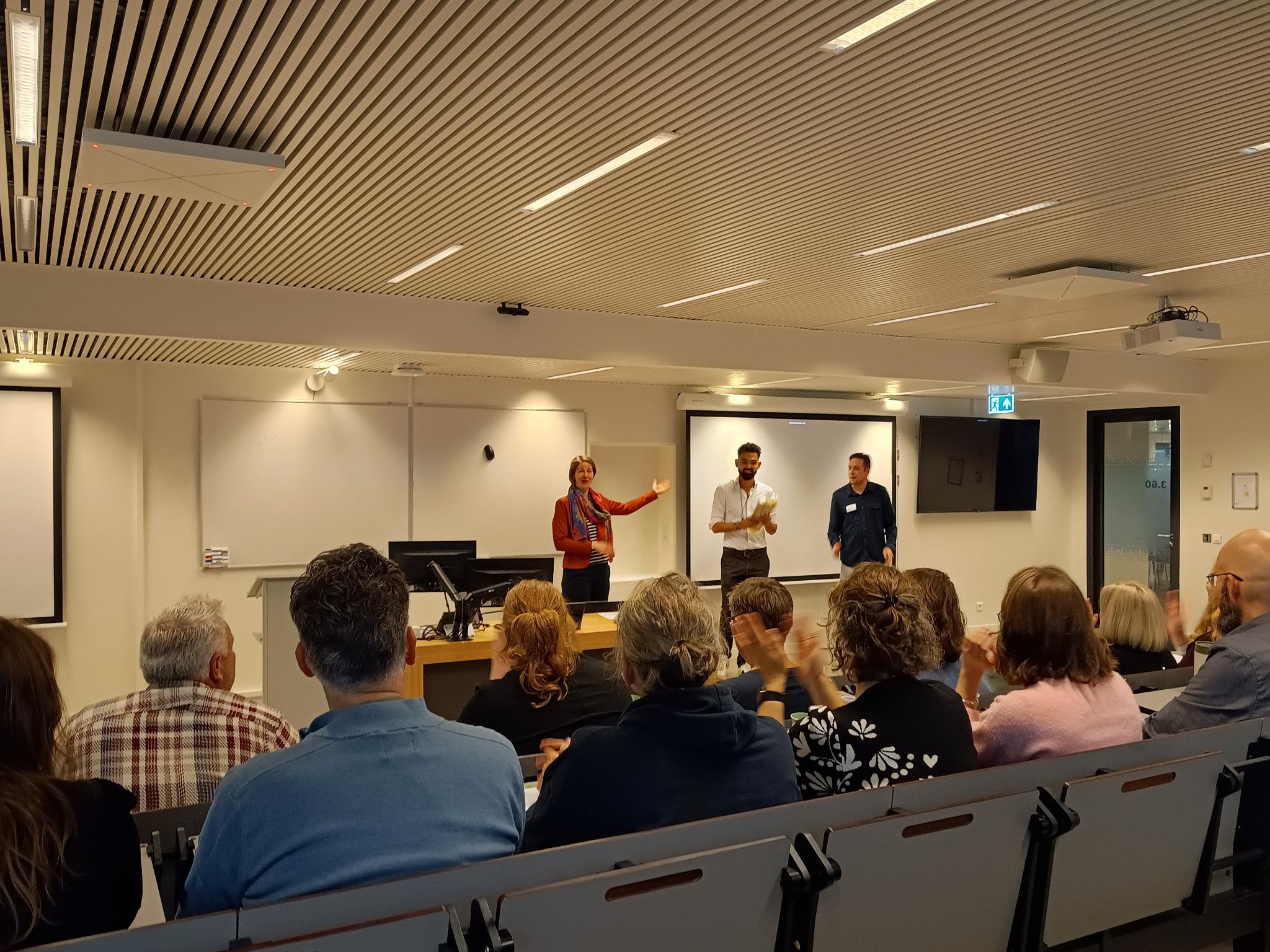
All image credits to Valtr Troy Mandemaker.
What Does ‘Future-Proofing’ Education Mean?
Building on previous editions of the SOP day, where themes such as creating an impact in higher education and building effective communities of practice were discussed, LLInC hosted the autumn 2025 event focussing on the topic of future-proofing education.
Educational professionals from 14 different higher education institutions were welcomed at our Wijnhaven Campus to explore strategies, not only to prepare for what lies ahead, but to also take an active part in shaping the future and ensuring that our higher education institutions support the continuous development of resilient teachers and students alike.
Futures Thinking
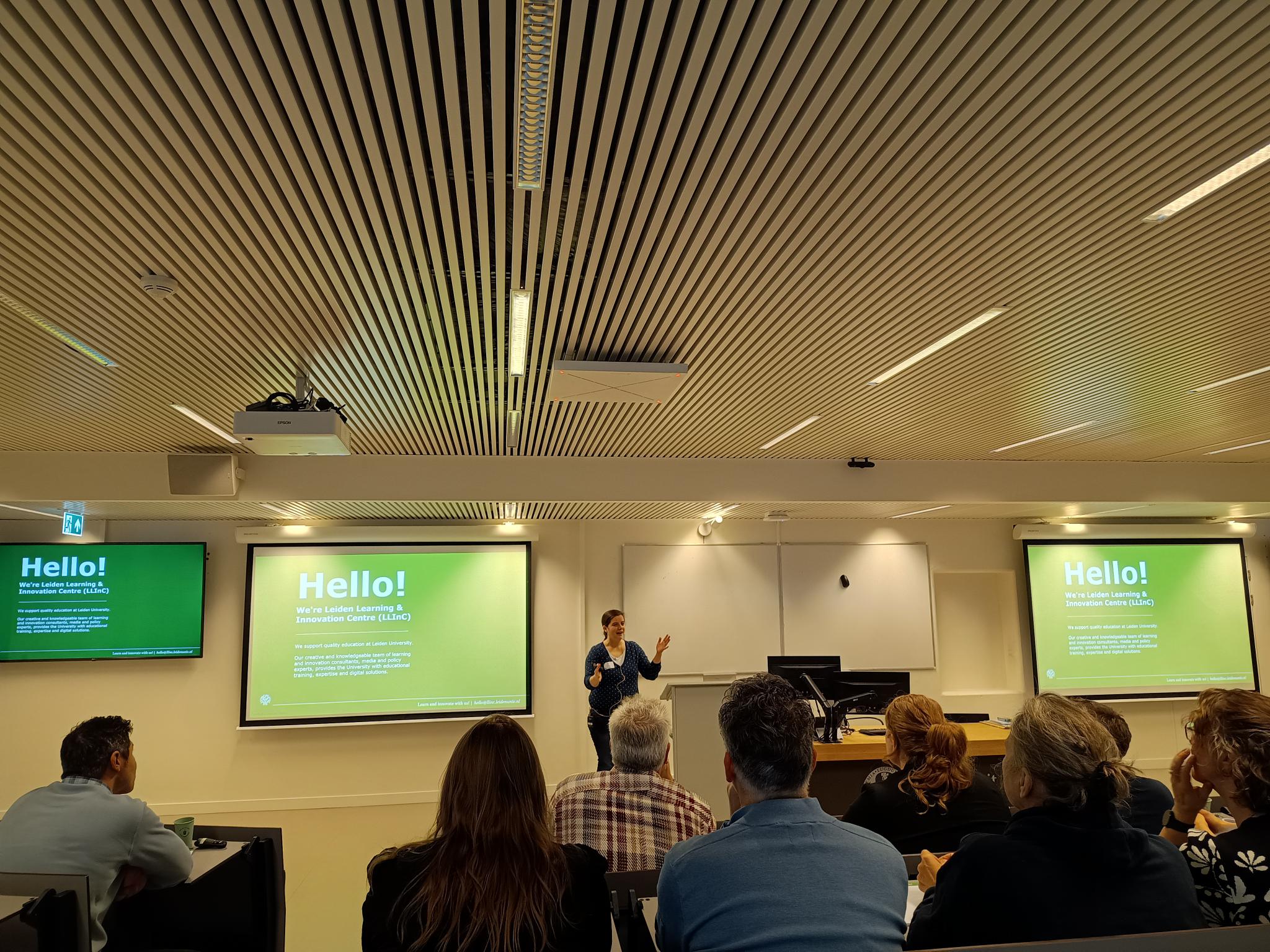
The morning began with a keynote by LLInC colleague Yentl Croese, who introduced the concept of ‘futures thinking’. Not to be confused with future forecasting, futures thinking is a qualitative approach to exploring possible futures. It draws on expertise, contextual understanding, storytelling, and empathy to do so.
The aims of engaging in futures thinking include:
- Fostering resilience
- Expanding imagination through out-of-the-box thinking
- Stimulating proactive mindsets
Yentl offered concrete examples of how futures thinking can be a powerful tool within the context of higher education since applying this methodology can help steer institutions and individuals toward more intentional and adaptive directions. For students, it encourages critical reflections regarding both the future of their work field and the impact of their present choices. For teachers, it offers a framework to anticipate shifts in teaching and research. The first step is to identify those signals of change—subtle indicators or patterns that hint at alternative futures—and understand the drivers behind them.
Curious to learn more about futures thinking? Contact Yentl Croese or have a look at LLInC’s course, How to Shape the Future.
GenAI: Towards Hybrid Intelligence
Dr Omid Noroozi (Wageningen University and Research) followed with a keynote on the untapped potential of GenAI in supporting educational feedback. Presenting a pedagogical framework for hybrid intelligent feedback (see Figure 1), Noroozi argues for a collaborative role in which AI’s efficiency can be combined with the empathetic and contextual strengths of human input.
The six steps below provide a structured approach to implementing hybrid feedback in practice. A critical point is choosing the right approach (step 3). This is highly context-dependent.
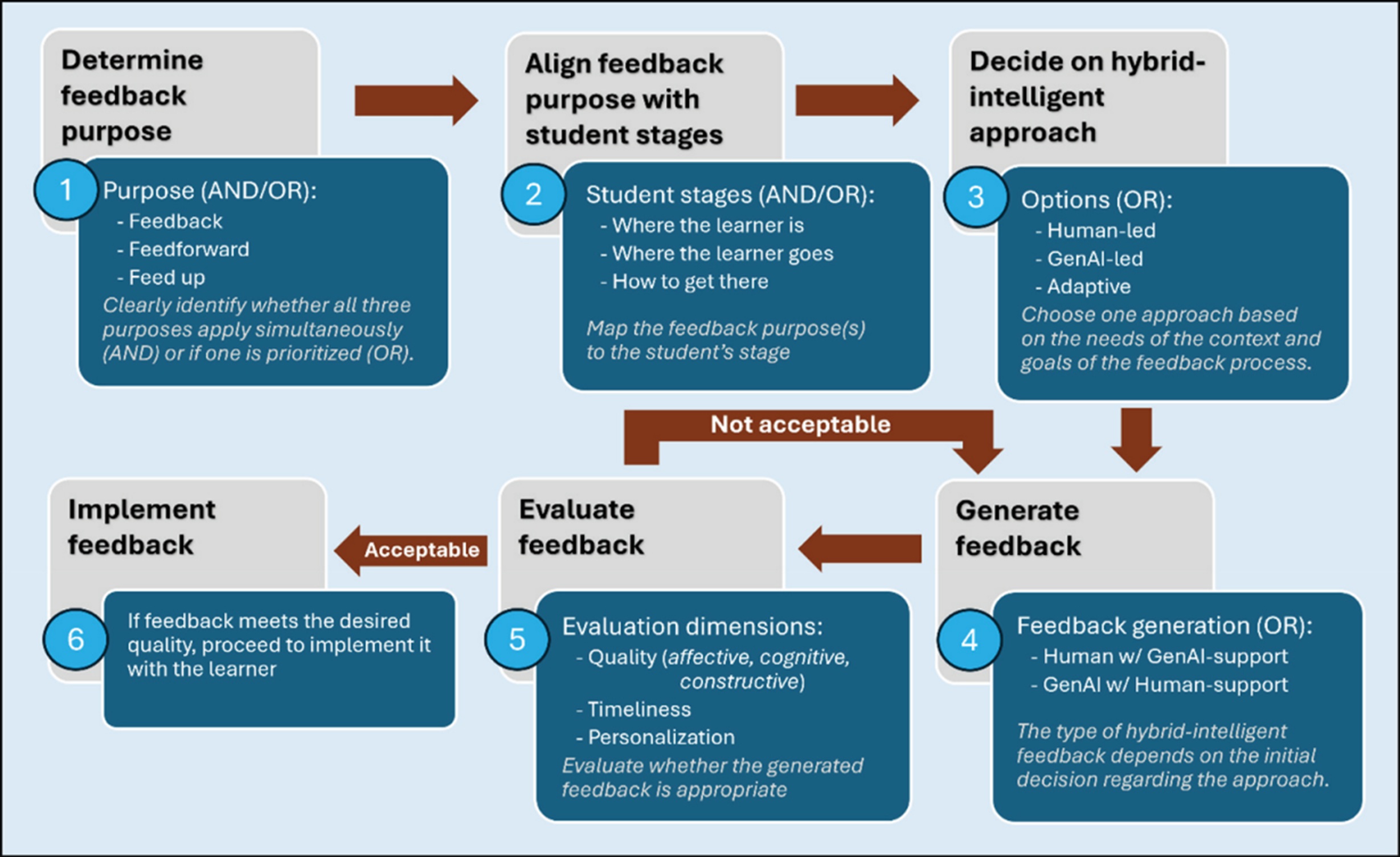
Figure 1. Pedagogical framework for hybrid intelligent feedback (Banihashem et al., 2025).
Hybrid intelligent approaches take different forms, ranging from human-led feedback with GenAI to GenAI-led feedback with human enrichment (see Figure 2).
💡 While human-led feedback works well for nuanced tasks requiring depth, AI offers a supportive role in handling routine checks (e.g., grammar errors, sentence structures, stylistic adjustments).
💡 While GenAI-led feedback works well for large classes or highly structured tasks, human judgement is required to enrich feedback. An important role for the teacher remains in ensuring that the suggestions align with the learning goals and the student’s proficiency level.
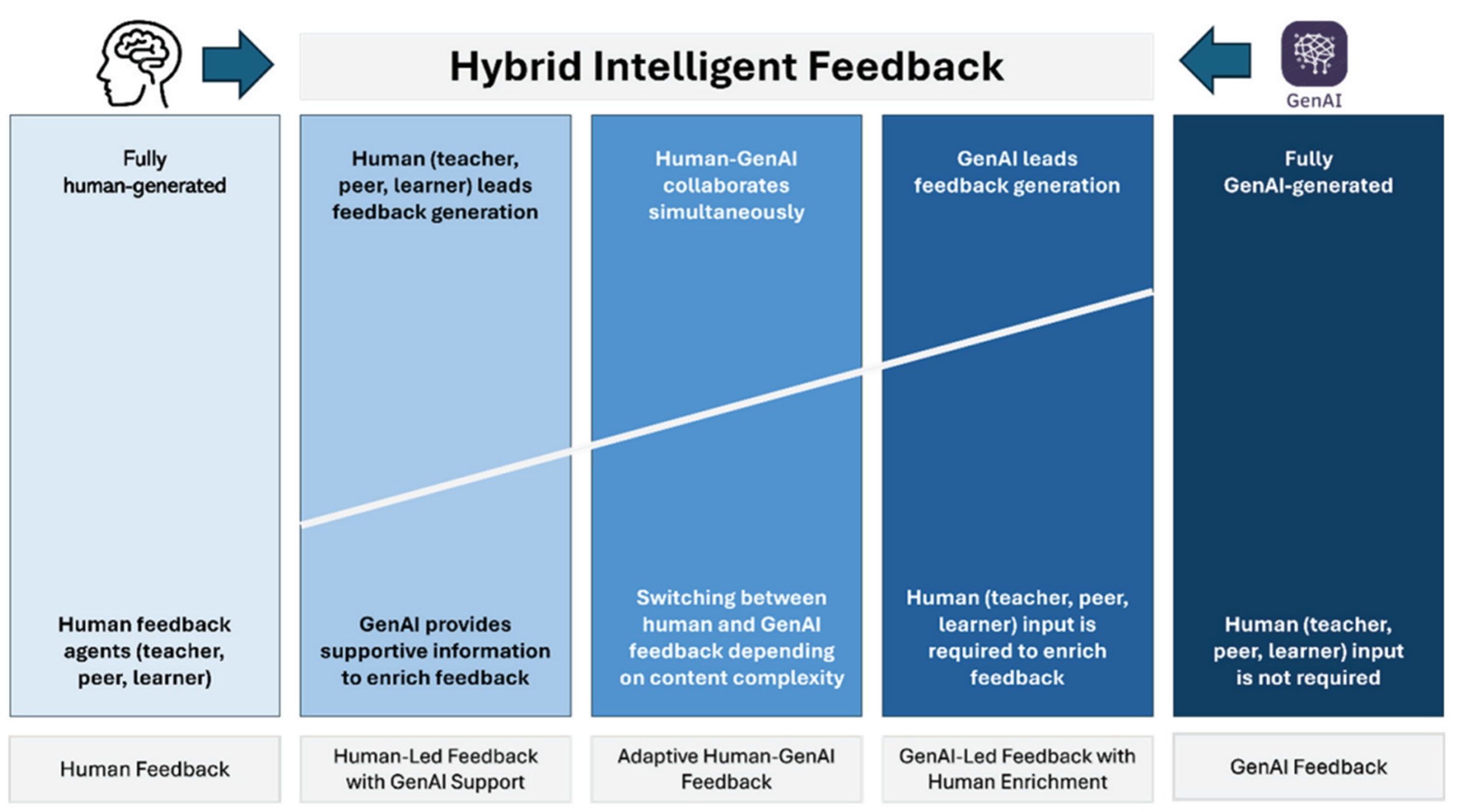
Figure 2. Conceptual framework of hybrid intelligent feedback approaches (Banihashem et al., 2025).
The key takeaway? When done correctly, human insight and AI scalability can be leveraged so that educators can provide adaptive and high-quality feedback.
Workshops on Future-Proofing Education
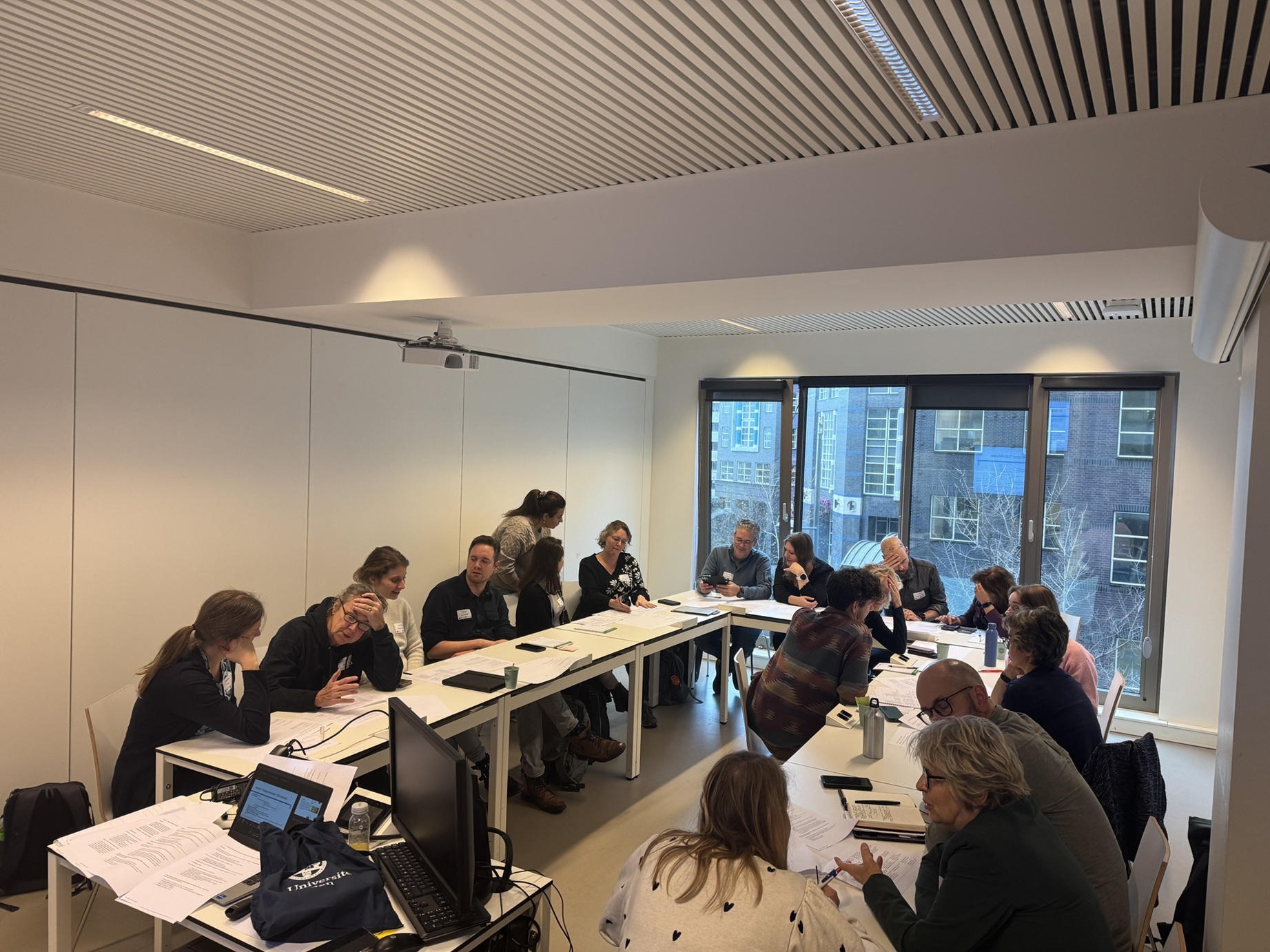
Following the two keynotes, participants were able to choose from a wide range of workshops spread across three rounds. Themes included:
Learning Analytics by Arian Kiandoost, Leiden University
Using data from an existing course, Arian explained how Brightspace can be used to identify academically at-risk students through powerful early predictions of student grades. Participants were invited to brainstorm appropriate intervention strategies.
Blended Learning by Wiebe Dijkstra, TU Delft
Wiebe presented DARE—the Delft Approach for (Re)Designing Education. After a short introduction of the core principles behind the research-informed design methodology, participants were invited to construct their own blended wave, based on the eight-step process developed by TU Delft.
Interuniversity Collaboration for Future-Proof Teacher Development by Nathalie Veenendaal, Radboud University and Joasia van Kooten, Leiden University
The Professional Development Exchange Hub (PDEH) invites eleven Dutch universities to collaborate on the theme of teacher professionalisation by offering trainings to staff from outside their own institution.
Supporting Early Career Educators (Tutors/Junior Lecturers) in Training and Professional Development by Valtr Troy Mandemaker, Leiden University
By taking a closer look at the role of tutors/junior lecturers within the university landscape, Valtr invited participants to discuss the unique needs of tutor training and professional development. Together, the role of institutions to better recognise and support tutors, as early-career educators, in their professional development was addressed along four key areas: community building, training, cooperation, and career development.
For an overview of the full programme, see this document: SOP Event Booklet 28 November 2025.
Curious about the PDEH programme? Take a look at last year’s list here! The updated list for 2026 will be made available very soon.
When Are the Next SOP Days, and How Can I Take Part?
The hosts for the upcoming SOP Days have been confirmed, starting with the Vrije Universiteit Amsterdam for the two-day summer edition on 25th and 26th of June!
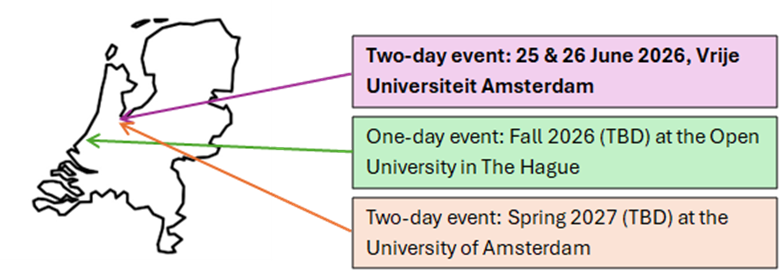
If you would like to be part of the SOP-community and join us during the next SOP day(s), keep an eye out for further details regarding EHON’s future events on their website! Please note that, to register for the SOP day, a yearly EHON membership is required.
Interesting Reads
Interested in the topics discussed in this blog? Here are some further readings, recommended by Valtr:
Banihashem, S. K., Noroozi, O., Khosravi, H., Schunn, C. D., & Drachsler, H. (2025). Pedagogical framework for hybrid intelligent feedback. Innovations in Education and Teaching International, 1-17. https://doi.org/10.1080/14703297.2025.2499174
Blankesteijn, M. L., & Ghorbani, A. (2025). Embracing the digital horizon: Future scenarios for the Dutch higher education system. Futures,174, Article 103702. https://doi.org/10.1016/j.futures.2025.103702
McGonigal, J. (2022). Imaginable: How to see the future coming and be ready for anything. Penguin Random House.